Pediatric Inguinal Hernia: Myths vs. Facts
Inguinal hernias are among the most common surgical conditions encountered by pediatric surgeons. Despite how prevalent they are, significant misinformation exists—spread by word of mouth, unqualified practitioners, and sometimes even misinformed medical professionals.
Below are the most common myths debunked by scientific facts.
________________________________________
Myth 1: Pediatric inguinal hernias can resolve on their own with age.
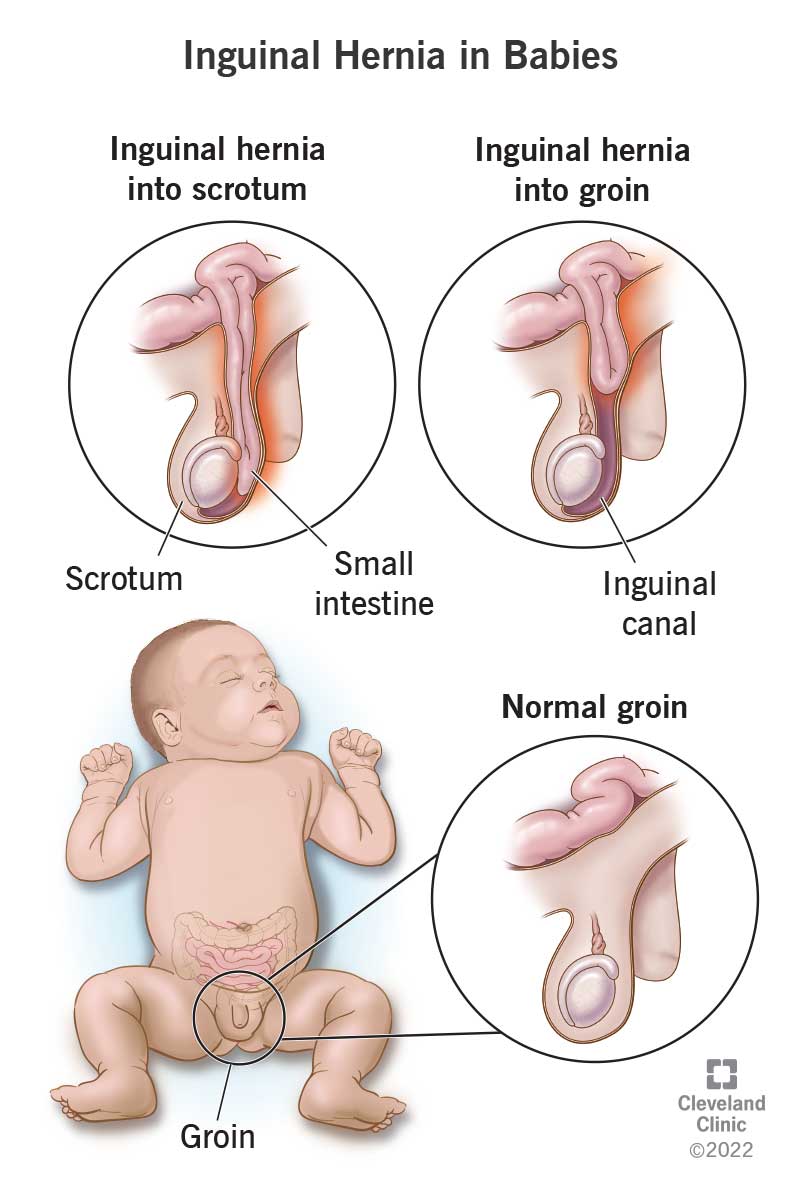
• The Fact: There is no scientific truth to this. A pediatric inguinal hernia is caused by a physical, anatomical defect: a patent passage (called the patent processus vaginalis sac) that remains open between the abdomen and the scrotum (in males) or the labia (in females).
• The Reality: Abdominal contents like the intestines or omentum slip into this sac. This communication will not close on its own; it requires a surgical procedure called a herniotomy to safely close the passage. Delaying care based on this myth is a primary cause of late hospital presentations.
Myth 2: Inguinal hernias cannot be safely operated on in infants and small children.
• The Fact: Delaying surgery out of fear or due to misleading advice puts the child at a high risk for severe complications.
• The Danger: The main risk of delaying treatment is an obstructed inguinal hernia. This turns a straightforward, scheduled elective surgery into a high-stakes emergency procedure that can pose a significant risk to the child's life. Pediatric inguinal hernias can—and should—be repaired safely at an early age by a qualified specialist.
Myth 3: The surgery poses a severe, long-term risk to the child's fertility.
• The Fact: While no surgical procedure is entirely without risk, the complication rate for a pediatric inguinal herniotomy is extremely low, whether performed via traditional open surgery or modern laparoscopic methods.
• The Bottom Line: The long-term benefits of fixing the hernia early and preventing emergency complications far outweigh the minor risks associated with the procedure.
Myth 4: Children need a mesh implant to repair the hernia, just like adults.
• The Fact: No mesh is required in pediatric inguinal hernia surgeries.
• The Reassurance: Because the underlying cause in children is an open sac rather than a weakened abdominal wall muscle (as seen in adults), the surgeon only needs to close the sac. Parents can rest assured that any complications associated with synthetic mesh implants are a non-issue here.